France bike tours
France is one of the best country for cycling ! Our bike tour are a mix of amazing food, great wines, traffic free roads and lovely scenery. Whether you bike through the Loire valley fairy-tale castle, cycle among the hilltop village of Provence or ride along the D-Day landing beaches of Normandy, you are guaranteed to have a wonderful cycling adventure.
Bike Tours in France: The Complete Guide to Cycling Holidays
Few countries are as made for cycling as France. In a single week you can roll past Renaissance châteaux in the Loire Valley, through lavender fields and perched villages in Provence, along vineyard roads in Burgundy, Champagne or Alsace, or beside the plane trees of the Canal du Midi. It is also the land of the Tour de France, with legendary climbs such as Mont Ventoux and Alpe d’Huez. Whether you want an easy, flat ride from one charming hotel to the next or a challenging road-cycling adventure, a bike tour in France combines scenery, history, food and wine at the perfect speed. This guide covers the best regions, guided and self-guided cycling holidays, what is included, difficulty levels, prices and the best time to go.
- Where to cycle in France: the best regions
- Guided vs self-guided bike tours
- Luxury, family, small-group and short bike tours
- What is included in a bike tour
- E-bikes, hybrids and road bikes
- Difficulty levels and daily distances
- Prices and trip durations
- Best time to go
- Cycle routes and safety in France
- Food, wine and culture on two wheels
- Practical information: getting there, trains, visa
- Why ride with [YOUR BRAND]
- FAQ
Where to Cycle in France: The Best Regions for a Bike Tour
France is a big country with very different landscapes, so choosing the right region is the first step of your cycling trip. Here is a quick overview before we look at each region in detail:
- Loire Valley: flat, family-friendly and full of châteaux. The best choice for a first bike tour.
- Provence & Luberon: lavender, hilltop villages, markets and rosé, with gentle hills.
- Burgundy, Champagne, Alsace, Bordeaux & Dordogne: France’s great wine regions, ideal for bike-and-wine tours.
- Canal du Midi & rivers: flat towpaths, plus bike-and-barge cruises.
- Normandy & Brittany: D-Day beaches, Mont-Saint-Michel and wild coastline.
- Atlantic coast, Basque Country, Riviera & Corsica: sea views, islands and beaches.
- French Alps & Pyrenees: the mythical climbs of the Tour de France.
Loire Valley: Châteaux and the Loire à Vélo
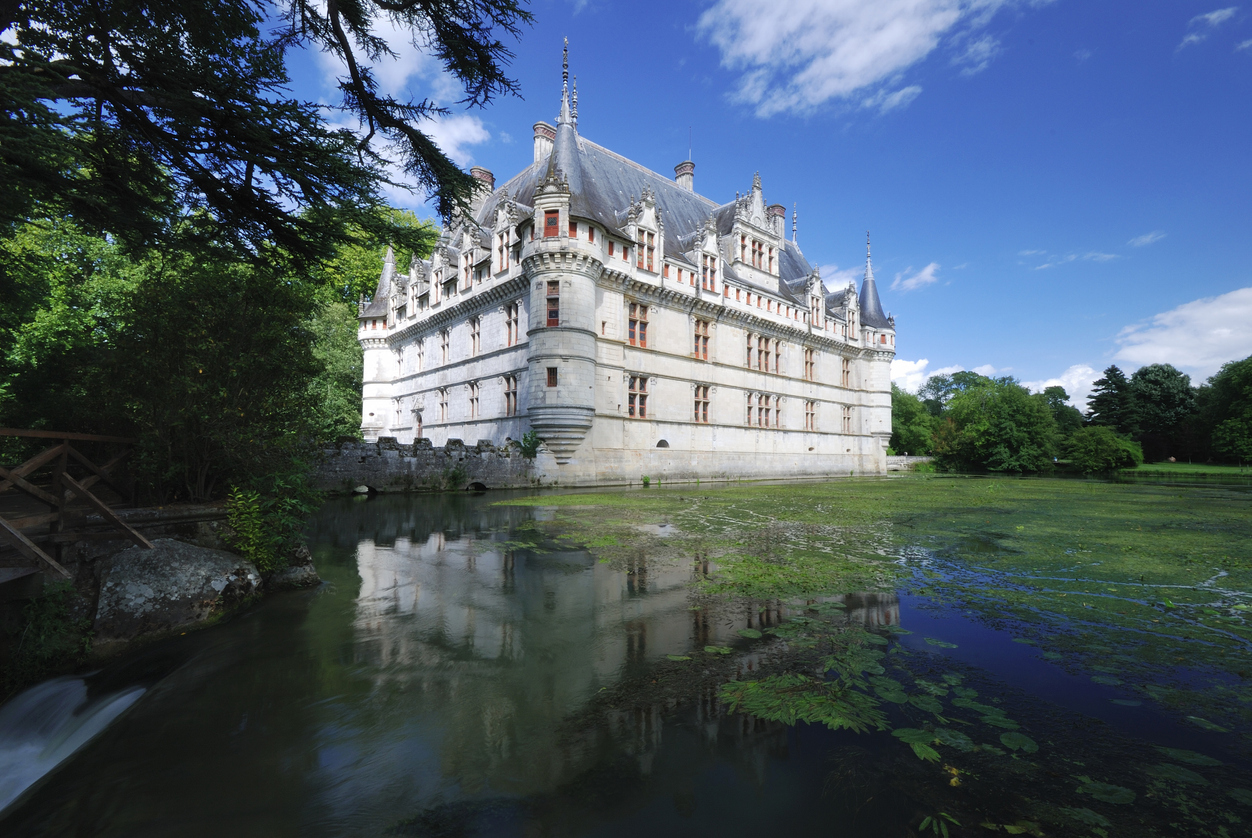
The Loire Valley is the most popular destination for bike tours in France, and for good reason. The Loire à Vélo cycle route follows the river for about 900 km to the Atlantic. Most of it runs on dedicated cycle paths and quiet lanes, almost entirely flat and signposted in both directions. The stretch between Sully-sur-Loire and Chalonnes is a UNESCO World Heritage site. A classic week links Blois, Chambord, Cheverny, Chaumont, Amboise (with Leonardo da Vinci’s Clos Lucé), Chenonceau, Tours, Villandry, Azay-le-Rideau, Chinon and Saumur, with stops in troglodyte wine cellars to taste Vouvray and Chinon. Daily distances of 30–50 km leave plenty of time to visit two châteaux a day, which makes the Loire perfect for beginners and families. See our Loire Valley bike tours.
Provence & the Luberon: Lavender Fields and Perched Villages
Cycling in Provence means riding through vineyards, olive groves and, from late June to late July, purple lavender fields around Sault and Valensole. Itineraries usually start in Avignon (Palace of the Popes) and explore the hilltop villages of the Luberon: Gordes, Roussillon and its ochre cliffs, Bonnieux, Lourmarin and Ménerbes. Other routes cover L’Isle-sur-la-Sorgue and its antique market, Saint-Rémy-de-Provence and Van Gogh country, Les Baux in the Alpilles, Roman Arles and the Pont du Gard, or the flamingos of the Camargue. The terrain is rolling, so an e-bike is popular here. The more ambitious can attempt the 1,910 m Mont Ventoux, the “Giant of Provence”. Discover our Provence cycling tours.
Bike and Wine Tours: Burgundy, Champagne, Alsace, Bordeaux & Dordogne
Few experiences beat cycling from one vineyard to the next and ending the day with a tasting.
- Burgundy: ride the Route des Grands Crus between Dijon and Beaune through the Côte de Nuits and Côte de Beaune, whose vineyard “climats” are UNESCO-listed. Continue on the greenway towards Cluny and Mâcon, or around Chablis.
- Champagne: cycle between Reims and Épernay through UNESCO-listed hillsides, villages such as Hautvillers and the Avenue de Champagne with its famous cellars.
- Alsace: the Alsace Wine Route runs about 170 km between Strasbourg and Colmar, past half-timbered villages like Riquewihr, Kaysersberg and Eguisheim, mostly on cycle paths.
- Bordeaux: explore the Médoc châteaux (Margaux, Pauillac), the medieval UNESCO town of Saint-Émilion, Sauternes and the Entre-Deux-Mers.
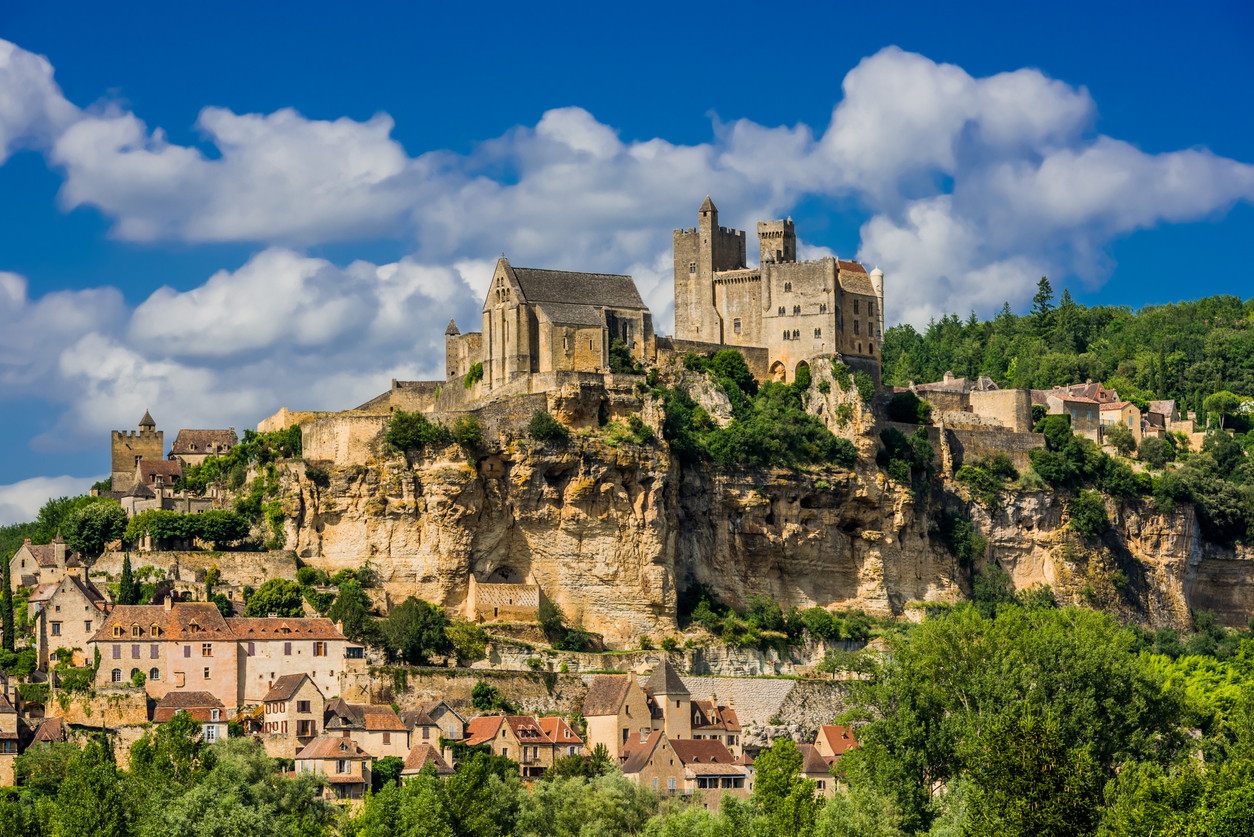
- Dordogne & Périgord: combine the vineyards of Bergerac with medieval Sarlat, riverside castles and the prehistoric caves of the Vézère Valley (Lascaux).
Browse our bike and wine tours.
Canal du Midi, River Rides and Bike & Barge Tours
Waterways make for the easiest cycling of all: flat towpaths, shade and pretty locks. The Canal du Midi, a UNESCO World Heritage site, runs about 240 km from Toulouse to Sète on the Mediterranean, past the medieval walled city of Carcassonne, Cathar castles and the vineyards of the Languedoc. It continues as the Canal de Garonne towards Bordeaux, forming the “Canal des Deux Mers” between the Atlantic and the Mediterranean. Other great river rides follow the Rhône (ViaRhôna from Geneva to Lyon and the sea), the Burgundy Canal and the Moselle. For a relaxed format, choose a bike and barge tour (also called bike and boat). You sleep on a floating hotel that moves with you, cycle 25–50 km a day and meet the boat in the next village. You unpack only once, and meals are often served on board. Popular itineraries include Provence and the Camargue, the Burgundy canals, and Paris to the Loire. See our bike & boat tours.
Normandy & Brittany: D-Day Beaches and Mont-Saint-Michel
Northwest France combines history and coastline. In Normandy, rides from Bayeux (home of the famous tapestry) visit the D-Day landing beaches, including Omaha Beach, Pointe du Hoc and the American Cemetery at Colleville-sur-Mer, between apple orchards and Calvados distilleries. The Véloscénie route links Paris to Mont-Saint-Michel, the UNESCO-listed abbey on its tidal island. In Brittany, cycle from Rennes or Dinan to the walled corsair city of Saint-Malo, Dinard and the oyster beds of Cancale, or explore the Pink Granite Coast and the Gulf of Morbihan. The climate stays cool and green even in summer.
Atlantic Coast, Basque Country, French Riviera & Corsica
For sea views, the Vélodyssée (EuroVelo 1) is France’s great Atlantic route. It runs about 1,300 km from Roscoff in Brittany to Hendaye on the Spanish border, largely on car-free paths through pine forests and seaside resorts. Highlights include La Rochelle, the islands of Île de Ré and Oléron, the oyster villages of Arcachon Bay and Europe’s highest sand dune, the Dune du Pilat. Further south, the Basque Country mixes surf towns like Biarritz and Saint-Jean-de-Luz with green Pyrenean foothills. On the Mediterranean, routes along the French Riviera link Hyères, the island of Porquerolles, Saint-Tropez and Nice. Corsica offers spectacular but hilly coastal roads, with mountain passes above 1,000 m and Cap Corse.
The Alps, Pyrenees and Tour de France Climbs
Road cyclists come to France to ride the climbs they watch every July on the Tour de France. The French Alps offer the 21 hairpins of Alpe d’Huez, the Col du Galibier (2,642 m), the Izoard and the Route des Grandes Alpes from Lake Geneva to Nice. In the Pyrenees, riders tackle the Col du Tourmalet (2,115 m), Aspin and Peyresourde, or cross the whole range from the Atlantic to the Mediterranean. Add Mont Ventoux in Provence and you have the holy trinity of French cycling. Some specialist tours include VIP race viewing at Tour de France stage finishes, or a place in L’Étape du Tour, the amateur sportive that rides a real Tour stage. These guided tours come with van support, expert guides and carbon road bikes. See our road cycling tours.
Guided vs Self-Guided Bike Tours in France: Which Is Right for You?
Most cycling holidays in France come in two formats. The logistics are the same in both: hotels are booked, luggage is moved and bikes are provided. What changes is who rides with you.
Self-guided bike tours
On a self-guided bike tour, you ride on your own, with your partner, family or friends, and at your own pace. You receive detailed route notes, maps and GPS tracks in a smartphone app that works offline. Your luggage is transferred every day to the next hotel, and a local team is reachable by phone if you need help. You choose your start date, stop as long as you like at a market or a winery, and pay less, typically 30–50% less than a guided trip. Best for: independent travellers, couples, families and flexible budgets.
Guided bike tours
On a guided bike tour, you travel in a small group (usually 8–20 riders) with one or two professional guides and a support van that can pick up tired riders. Guides handle navigation, share local history, and arrange tastings and private visits. Many meals are included and departures run on fixed dates. Best for: solo travellers, first-timers who want zero stress, and anyone who enjoys meeting other cyclists.
|
|
Self-guided |
Guided |
|
Start date |
Any day in season |
Fixed departures |
|
Pace |
Your own |
Group pace (with options) |
|
Navigation |
App, GPS & route notes |
Guide |
|
Support |
Phone hotline |
Guide + support van |
|
Meals |
Breakfast, some dinners |
Most meals included |
|
Price |
€ |
€€–€€€ |
Luxury, Family, Small-Group and Short Bike Tours
- Luxury bike tours: four- and five-star château hotels, gourmet dinners, private wine tastings and premium bikes. Ideal in the Loire, Provence, Bordeaux and Burgundy.
- Family bike tours: short, flat stages of 20–35 km on car-free paths (Loire, Canal du Midi, Île de Ré, Alsace), with child seats, trailers, tag-along bikes and tandems available, plus pools and activities along the way.
- Small-group tours: a guided group of about 12–16 riders, sociable and well looked after. Good for solo travellers.
- Private and custom tours: a tailor-made itinerary for your group, family or friends, on your dates and at your level.
- Short breaks and weekends: 2–4 day bike getaways, for example Reims to Épernay, around Amboise, Colmar or Beaune.
- Day tours: half-day or full-day guided rides in Paris (Eiffel Tower, Louvre, hidden neighbourhoods), Versailles with its market and gardens, or e-bike wine tours in Saint-Émilion, the Luberon and Champagne.
What Is Included in a Bike Tour in France?
A good cycling holiday removes all the hassle so you can simply ride. Typically included:
- Hand-picked accommodation: charming 3- to 4-star hotels, guesthouses or château hotels, with breakfast every day and some dinners.
- Daily luggage transfer: your bags are waiting at the next hotel when you arrive.
- Bike rental: a quality hybrid or e-bike fitted to your size, with panniers, lock, repair kit, and a helmet on request.
- Route notes and GPS navigation: a detailed roadbook plus a GPS app with offline maps and points of interest.
- Welcome briefing on arrival, bike fitting and route explanation.
- 24/7 assistance in English, with a breakdown service and, if needed, a transfer in bad weather.
- On guided tours: guides, a support van, most meals, tastings and entrance fees.
Usually not included: flights, train tickets to the start, travel insurance, lunches and drinks, and optional upgrades such as an e-bike, a single room or extra nights.
E-Bikes, Hybrid Bikes and Road Bikes
E-bikes (electric bikes) are now available on almost every bike tour in France and are the great equaliser. Couples with different fitness levels ride together, and hills in Provence, the Dordogne or Burgundy become a pleasure. In France, pedal assistance is limited to 25 km/h (15 mph), and a charged battery lasts a full day’s stage. Hybrid or touring bikes, with comfortable upright position, gears for gentle hills and panniers, are the standard on leisure tours. Road bikes (carbon or aluminium, including e-road bikes) are used on Alpine, Pyrenean and Ventoux tours. Gravel bikes are increasingly available in the Ardèche and on forest tracks. Families can request child seats, trailers, tag-along bikes and tandems. You can also bring your own bike, and most tours give a discount.
Difficulty Levels and Daily Distances
Bike tours in France suit every level. As a guide:
- Easy (level 1): 25–45 km a day, flat, mostly on cycle paths and greenways. Examples: Loire à Vélo, Canal du Midi, Alsace, bike and barge. Suitable for beginners and families.
- Moderate (level 2): 40–60 km a day with some rolling hills and up to 500 m of climbing. Examples: Provence, Burgundy, Dordogne, Brittany. An e-bike makes it easy.
- Challenging (level 3): 60–90 km a day with sustained climbs of 800–1,500 m. Examples: Corsica, Basque Country, the Massif Central.
- Very challenging (level 4): 80–110+ km a day and up to 2,000–2,500 m of climbing on mountain passes. Examples: the Alps, the Pyrenees and Mont Ventoux. For regular, well-trained road cyclists.
If you can ride a bike for two or three hours with breaks, you can enjoy an easy or moderate tour. Most riders average 15–18 km/h with stops for photos, cafés and visits.
How Much Does a Bike Tour in France Cost?
Prices depend on the format, hotel category and season. Typical prices per person, sharing a double room:
- Day tour (Paris, Versailles, wine regions): €45–150
- Short break (2–4 days, self-guided): €220–600
- Self-guided week (6–8 days): about €900–1,800, or more with luxury hotels
- Bike and barge week: about €1,200–2,500, often with half or full board
- Guided small-group tour (6–9 days): about $2,500–5,000
- Luxury guided tour or Tour de France package: $5,000–8,000+
Most trips last 6–8 days (5–6 days of riding). Longer 10–20 day tours cross whole regions or the entire country, from Normandy to the Mediterranean or from Geneva to Nice. Common extras are an e-bike upgrade (around €150–270 a week), a single supplement and extra nights. Book early: many operators offer early-booking discounts. [Insert your own price table / links to your tours here.]
Best Time to Go on a Cycling Holiday in France
The cycling season runs from mid-April to mid-October.
- April–May: spring flowers, green vineyards, 15–22 °C, few tourists. Great for Provence, the Loire and Burgundy. Watch out for public holidays in May.
- June: long days and warm weather, plus the start of lavender season in Provence (late June to July). This is the top month for most regions.
- July–August: hot (30 °C+ in the south) and busy, especially mid-July to mid-August. Choose Brittany, Normandy, the Alps or early-morning rides. It’s also Tour de France time.
- September–early October: the grape harvest (vendanges) in the wine regions, warm sea, quieter roads and golden light. Ideal everywhere, particularly Provence, the Riviera and Bordeaux.
High mountain passes in the Alps and Pyrenees are generally open from June to September.
Cycle Routes and Safety: Why France Is Ideal for Cycling
France is one of the world’s leading cycle-tourism destinations. It has tens of thousands of kilometres of signposted cycle routes and voies vertes (car-free greenways along old railways and canal towpaths). Ten EuroVelo routes cross the country, including EuroVelo 6 (Atlantic–Black Sea, through the Loire), EuroVelo 1 (La Vélodyssée), EuroVelo 8 (Méditerranée à Vélo) and EuroVelo 17 (ViaRhôna). Other famous routes include the Vélo Francette from Normandy to the Atlantic and the Véloscénie from Paris to Mont-Saint-Michel. The Accueil Vélo label identifies cyclist-friendly hotels, campsites and bike shops, with secure bike storage and repair kits. Tour itineraries favour cycle paths and quiet back roads, and French drivers are used to cyclists. Remember to ride on the right, use lights in tunnels and at dusk, and wear a high-visibility vest outside towns at night. Helmets are compulsory for children under 12 and strongly recommended for everyone.
Food, Wine and Culture on Two Wheels
A bike tour is the best way to taste France, because you earn every croissant. Expect morning markets in Provence and Sarlat, cheese and tarte Tatin in the Loire, Burgundy’s bœuf bourguignon and Grand Cru wines, flammekueche and Riesling in Alsace, foie gras and walnuts in the Périgord, oysters in Cancale and Arcachon, Calvados and camembert in Normandy, and Espelette peppers in the Basque Country. Culture comes on every stage. France has more than 50 UNESCO World Heritage sites along popular cycling routes, among them the Loire Valley, Mont-Saint-Michel, the Canal du Midi, Carcassonne, Saint-Émilion, the Pont du Gard, Avignon and the prehistoric caves of the Vézère Valley. Along the way you’ll find medieval villages, Roman monuments, Cathar castles and Impressionist landscapes.
Practical Information: Getting There, Trains, Visa and Insurance
- Getting there: most tours start near a train station. Fly into Paris (CDG or Orly), Lyon, Marseille, Nice, Bordeaux or Toulouse, then take the TGV: Paris to Tours/Amboise takes about 1 h 15, Paris to Avignon about 2 h 40, and Paris to Bordeaux about 2 h 10.
- Bikes on trains: regional TER trains usually accept bikes free of charge. On high-speed TGV trains you generally need a paid bike reservation, or your bike packed in a bag.
- Visa: US, Canadian, UK and Australian citizens can stay up to 90 days in any 180-day period in the Schengen area without a visa. Check whether the EU’s ETIAS travel authorisation applies on your travel dates.
- Insurance: take travel insurance covering cycling, medical costs and cancellation.
- What to pack: padded cycling shorts, a light rain jacket, sunscreen, sunglasses, a water bottle, comfortable shoes, your own helmet if you prefer, a phone holder and a power bank.
- Money & language: the currency is the euro and cards are widely accepted. A few words of French (“Bonjour!”) go a long way.
Why Book Your Bike Tour in France with [YOUR BRAND]
[Replace this section with your real arguments. It is the 3rd most important topic on the results page. For example: local team based in [CITY] since [YEAR]; every route tested by our guides; [NUMBER] happy cyclists; average rating [X]/5 on [Tripadvisor/Google/Trustpilot]; small groups; 24/7 local support; flexible booking.]
“[Real customer review #1, with first name, country and tour name.]”
“[Real customer review #2.]”
Browse all our bike tours in France or ask us for a tailor-made itinerary.
Frequently Asked Questions about Bike Tours in France
What is the best bike tour in France?
For a first trip, the Loire Valley is the most popular choice: flat, signposted Loire à Vélo cycle paths, world-famous châteaux and easy 30–50 km days. Provence (lavender, perched villages, Mont Ventoux) and the wine regions of Burgundy, Alsace and Bordeaux are the next favourites, while the Alps and Pyrenees attract road cyclists chasing Tour de France climbs.
What is the most famous bike ride in France?
The Tour de France climbs, Mont Ventoux, Alpe d’Huez and the Col du Tourmalet, are the most famous rides for road cyclists. For leisure cyclists, the Loire à Vélo and the Canal du Midi are France’s best-known cycle routes.
Do I need to be very fit to do a bike tour in France?
No. Easy tours cover 30–50 km a day on mostly flat cycle paths and riverside greenways, and an e-bike makes hills manageable for almost everyone. Mountain tours in the Alps, Pyrenees or Corsica are for regular cyclists, with 60–110 km and up to 2,000 m of climbing per day.
Are e-bikes available on bike tours in France?
Yes, electric bikes are available on almost every tour. In France the motor assists up to 25 km/h (15 mph), and a fully charged battery lasts a full day’s stage.
What is the best time of year for a cycling holiday in France?
The season runs from mid-April to mid-October. May, June and September offer the best mix of mild temperatures (18–25 °C), quiet roads and open hotels. Mid-July to mid-August is hot and crowded, especially in Provence and on the coast.
How much does a bike tour in France cost?
A self-guided week typically costs around €900–1,800 per person including hotels, breakfast, luggage transfers and route notes. Guided small-group tours usually range from about $2,500 to $5,000, and luxury guided tours with four- and five-star hotels from $5,000 to $8,000+. Bike-and-barge cruises start around €1,200 per week.
Is cycling in France safe?
Yes. France has one of Europe’s densest networks of signposted cycle routes and car-free greenways (voies vertes), and drivers are used to cyclists. Tour routes favour quiet back roads and cycle paths. Helmets are compulsory for children under 12 and strongly recommended for adults.
Can I do a bike tour in France with children?
Absolutely. Choose a flat, car-free route such as the Loire à Vélo, the Canal du Midi, Île de Ré or the Alsace cycle paths, with short 20–35 km stages. Child seats, trailers, tag-along bikes and tandems can be provided.
Can I travel solo on a bike tour?
Yes. Guided small-group tours are ideal for solo travellers, and self-guided tours can be booked for one person, usually with a single supplement.
Do I need a visa to cycle in France?
Visitors from the US, Canada, the UK and Australia can stay in the Schengen area for up to 90 days in any 180-day period without a visa. Check whether the EU’s ETIAS travel authorisation is required on your travel dates before you go.
Can I bring my own bike?
Yes. Most tours offer a reduced price if you bring your own bike. Remember that bikes are generally welcome on regional TER trains, while high-speed TGV trains usually require a bike reservation or a bike bag.
Bordeaux bike tour
From $2,750 / Person
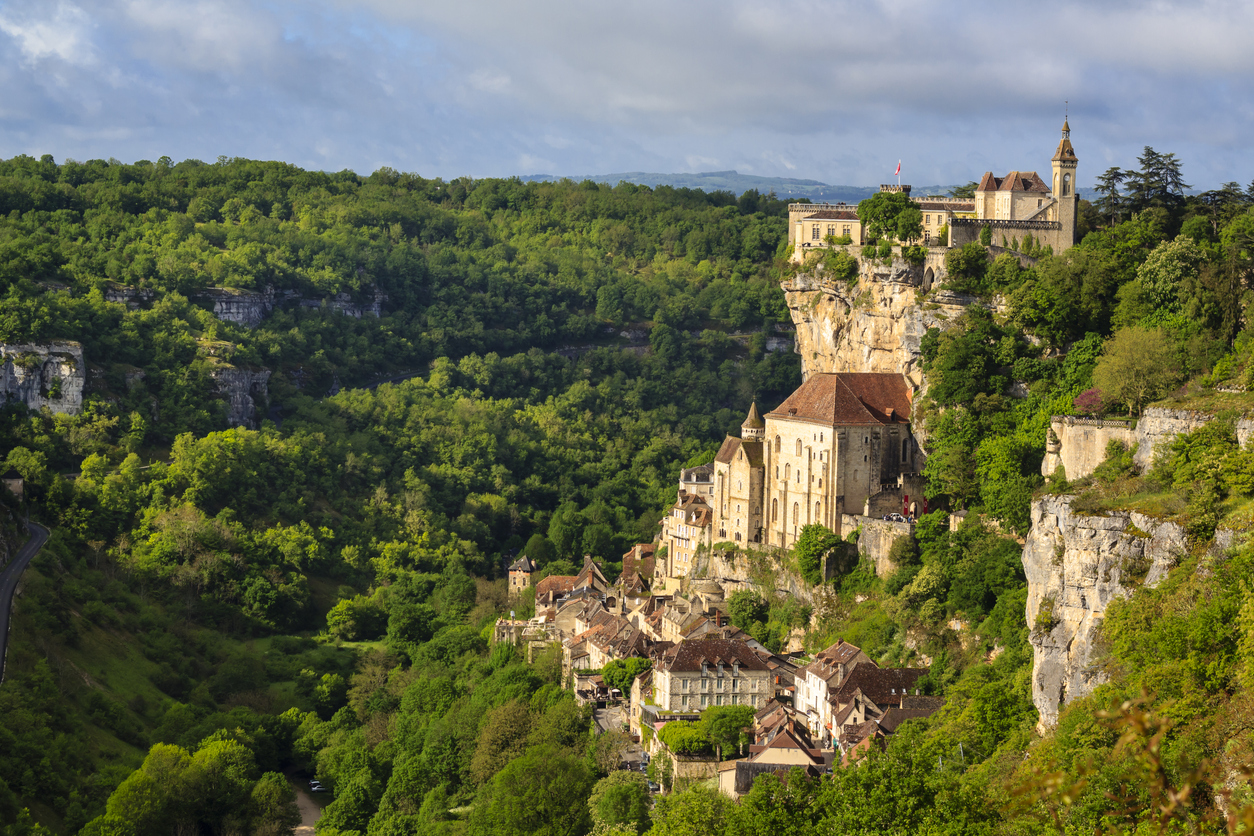
Dordogne bike tour (* Family tour)
Discover Dordogne, cycling along the Dordogne river
PDF to download
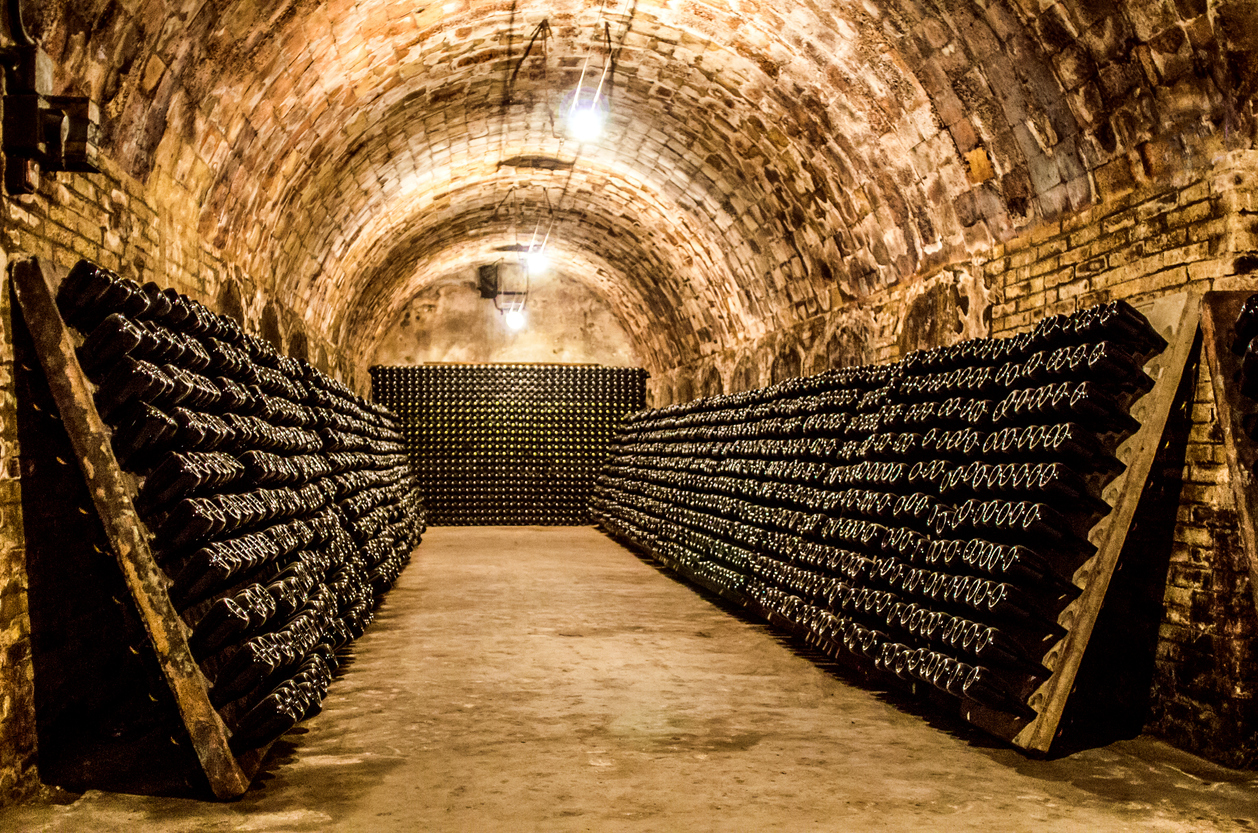
Champagne bike tour
Uncover the champagne region cycling the cote des blanc route to Mesnil-sur-Oger
From $2,200 / Person

Corsica bike tour
Pedal on the island of Beauty as you make you through from Calvi to Bonifacio
From $2,280 / Person
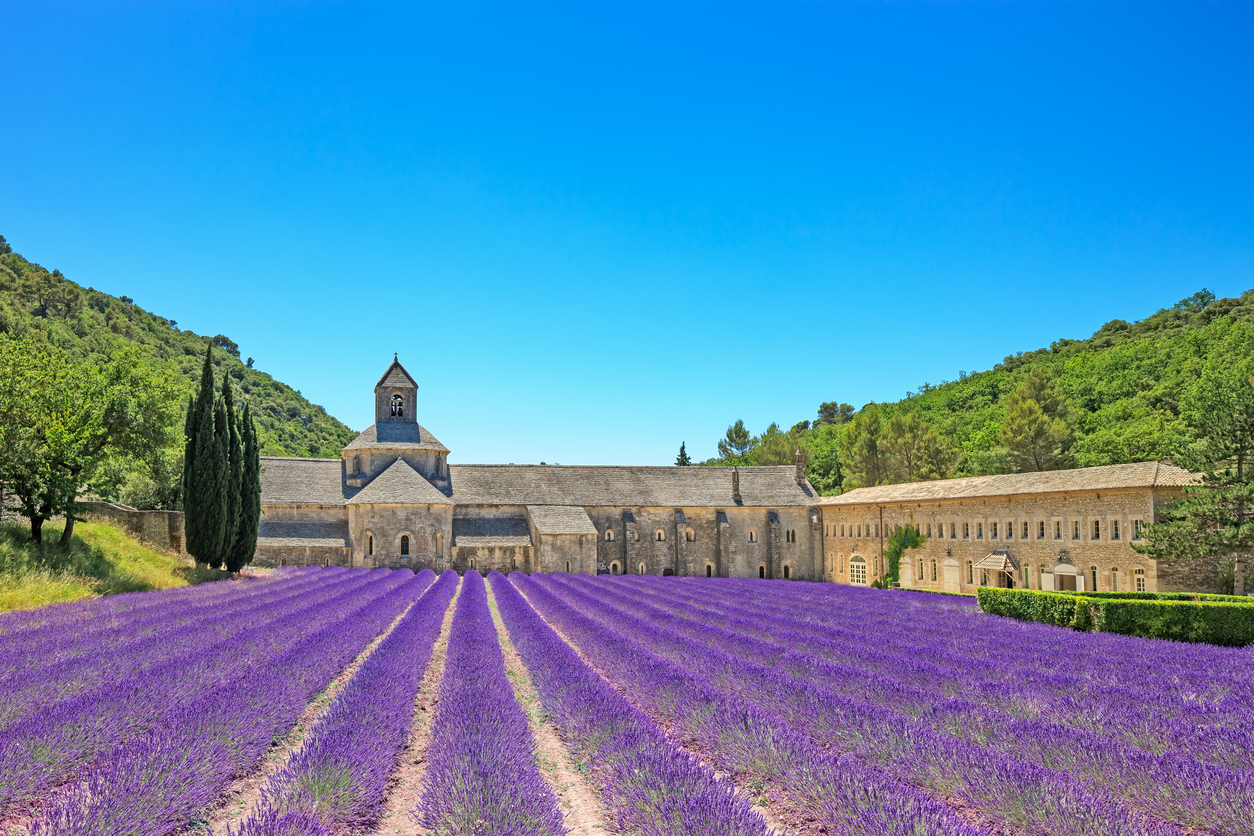
Provence bike tour
Cycling through the Provence region you get to discover the luberon and alpilles
From $2,200 / Person

Normandy bike tour
From $1,790 / Person
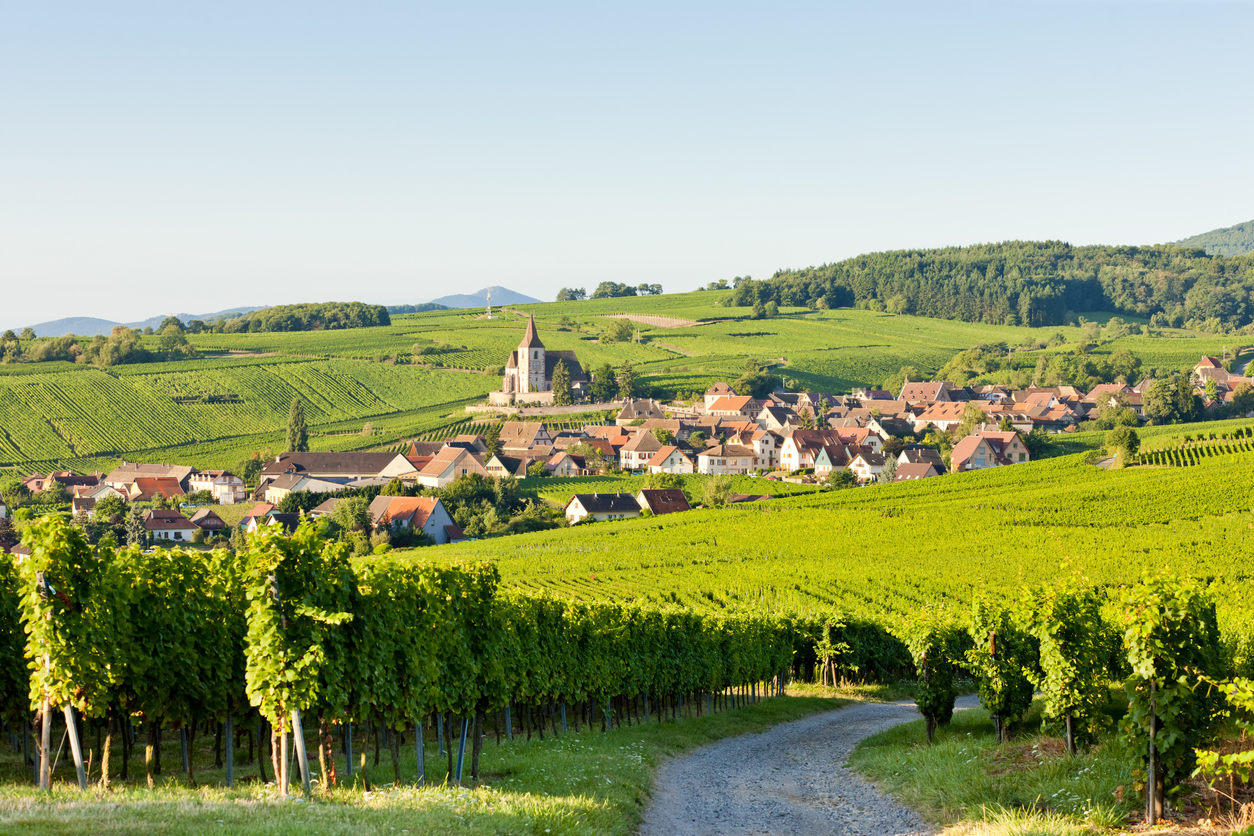
Burgundy bike tour
Discover Burgundy cycling through cote d’or and on the route des grands crus
From $1,590 / Person